

Cancer Screening Guidelines Every Woman Should Follow
A practical, prevention-focused guide to cancer screening for women, including breast, cervical, and colorectal screening, symptom awareness, and personalized risk planning.
February 27, 2026

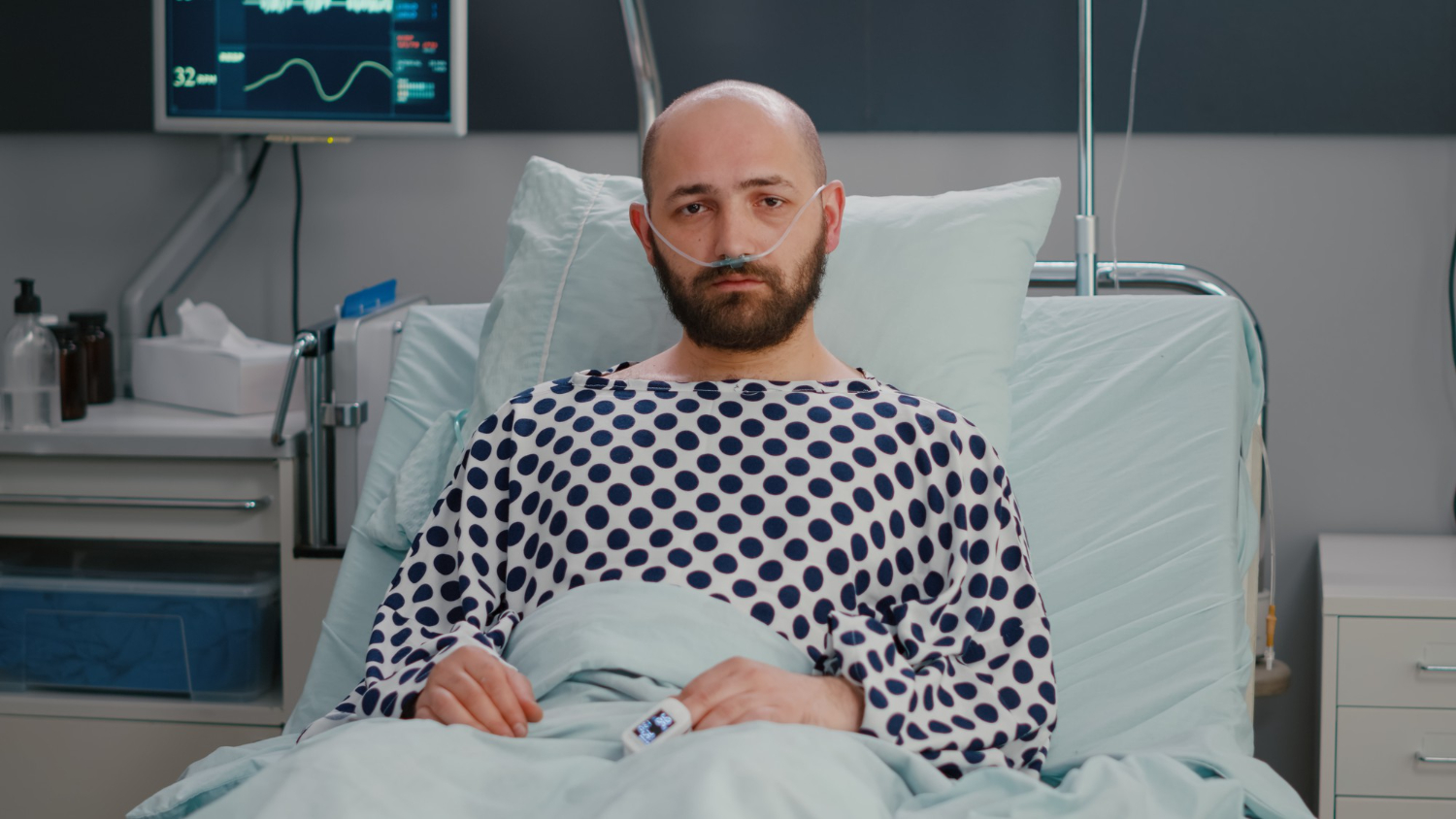
When James R., a 45-year-old father of two, first came to us, he was carrying more than a diagnosis.
He was carrying exhaustion. He was carrying uncertainty. He was carrying the emotional weight of hearing the words: Stage 3 Small Cell Lung Cancer.
Like many patients, James had already undergone conventional therapy. He had committed himself fully to treatment. He had endured the physical strain, the unpredictability of response, and the emotional toll that accompanies aggressive malignancies.
But when follow-up evaluations revealed disease progression, he began searching for something more structured, something individualized.
That search led him to HelixVita Precision Health.
At HelixVita, we do not approach cases through a purely statistical lens.
We approach them through biology, pattern recognition, and structured systems analysis.
Small Cell Lung Cancer (SCLC) is known for its aggressive behavior and rapid proliferation index. Stage 3 presentations often involve regional lymphatic spread and complex inflammatory signaling pathways. Managing such cases requires more than generic intervention, it requires detailed diagnostic interpretation and layered strategy design.
When James enrolled in our Advanced Case Evaluation Framework, our clinical team conducted a comprehensive review that included:
High-resolution imaging analysis
Laboratory biomarker interpretation
Systemic inflammatory marker trends
Immune modulation indicators
Metabolic stress patterns
Tumor behavior characteristics based on progression history
Our objective was not to replace prior care, but to understand the biological terrain in which his disease was operating.
Based on his individualized presentation, James enrolled in a medically supervised integrative program designed specifically around his systemic findings.
This was not positioned as a miracle. It was positioned as a process.
The framework included:
Weekly clinical monitoring
Metabolic optimization strategies
Layered immune system support
Inflammatory pathway modulation
Strict protocol adherence
Ongoing imaging-based reassessment
Every adjustment was data-informed. Every intervention was structured. Every milestone was measured.
At the three-month reassessment, follow-up imaging revealed measurable improvement.
The findings were not anecdotal. They were documented.
Six months into structured supervision, James reported:
Improved respiratory capacity
Stabilized weight
Increased stamina
Restoration of daily activity tolerance
Objective markers aligned with subjective improvement. His strength gradually returned. His outlook shifted from fear to focus.
Today, James is back to hiking with his children. Traveling with his family. Breathing more freely.
His journey is not defined by a single scan or a single milestone, it is defined by structured persistence.
At HelixVita, we believe:
Complex disease requires layered strategy.
Data-driven frameworks matter.
Monitoring and adaptation are critical.
Biology is dynamic, and must be approached as such.
We do not promise miracles.
We design structured pathways.
We monitor. We adjust. We optimize.
Because hope is not passive.
Hope is engineered.
A practical, prevention-focused guide to cancer screening for women, including breast, cervical, and colorectal screening, symptom awareness, and personalized risk planning.

Body image and femininity can change after cancer. Learn practical, compassionate strategies for emotional healing, confidence, intimacy, and whole-person recovery.