
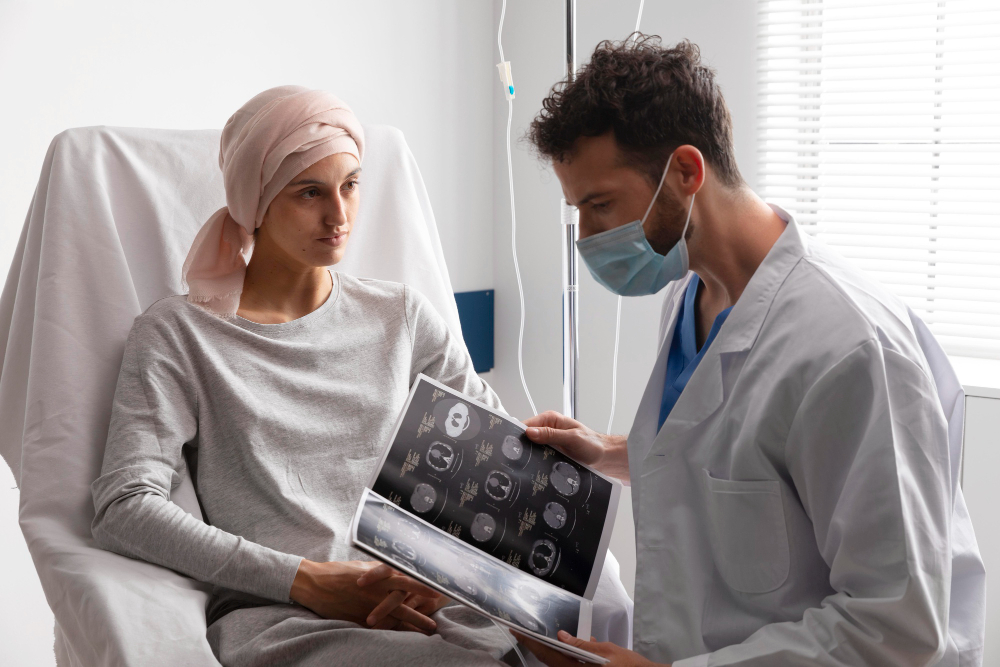
Cancer Screening Guidelines Every Woman Should Follow
A practical, prevention-focused guide to cancer screening for women, including breast, cervical, and colorectal screening, symptom awareness, and personalized risk planning.
February 27, 2026

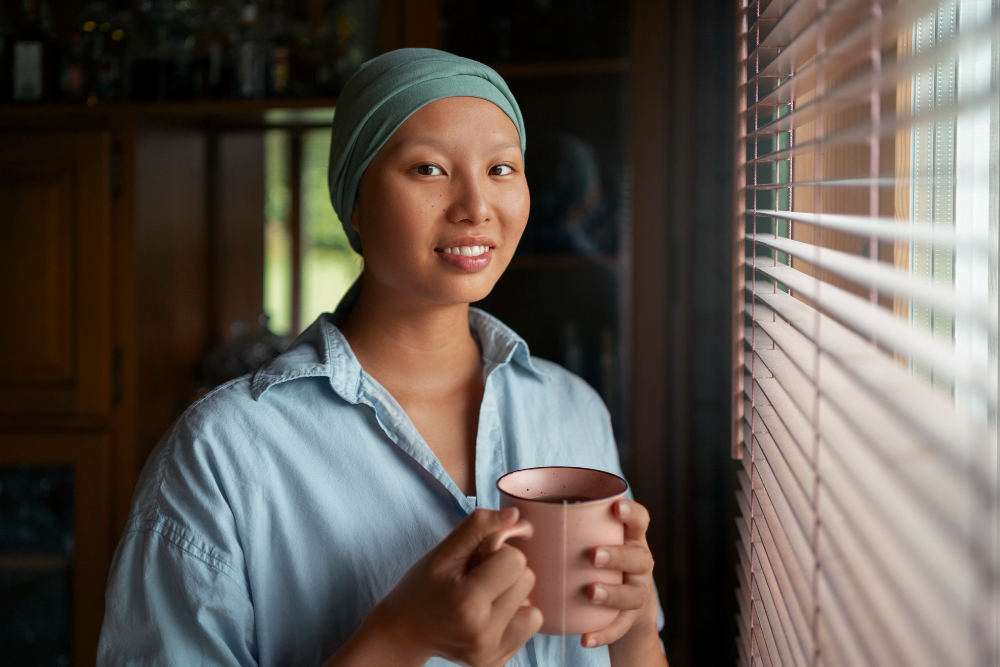
Cancer treatment can save life, but it can also change how a woman sees her body, identity, and femininity. Scars, hair loss, weight changes, menopause symptoms, sexual discomfort, and fatigue are not just physical events; they can deeply affect confidence, intimacy, and emotional wellbeing.
At HelixVita, we view recovery as more than disease control. Real healing includes body image recovery, emotional support, and personalized care that helps women feel whole again.
After cancer, body image challenges are normal and valid. They can happen after surgery, chemotherapy, hormonal therapy, radiation, or prolonged medication use.
Recognizing these experiences early can prevent silent suffering and isolation.
Femininity is not defined by one body part, one look, or one role. For some women, it is tied to sexuality; for others, to strength, creativity, nurturing, faith, or self-expression.
After cancer, redefining femininity can be part of recovery. This is not "settling"; it is reclaiming identity on your own terms.
Women may grieve changes in appearance, fertility, or intimacy. Some feel shame or fear of being misunderstood by partners, friends, or even clinicians.
Helpful supports include:
Emotional recovery is a clinical priority, not a cosmetic side issue.
Small, consistent steps often rebuild confidence better than dramatic changes.
Many women protect loved ones by staying silent about body image distress. Unfortunately, silence can increase misunderstanding and emotional distance.
Clear, honest conversations about physical limitations, emotional triggers, and intimacy preferences help relationships heal alongside the body.
Please seek additional support if you notice persistent sadness, social withdrawal, panic about appearance, avoidance of intimacy, or feeling disconnected from yourself for weeks at a time.
These are treatable concerns, and getting help early improves long-term quality of life.
Our care approach already emphasizes personalized pathways, multidisciplinary follow-up, and long-term outcomes beyond immediate treatment. Body image and femininity support naturally fit this model.
When oncology, gynecology, mental health, rehabilitation, and supportive care work together, women receive whole-person recovery instead of fragmented care.
Body image changes after cancer are real, common, and deserving of structured support. Femininity can be redefined, confidence can be rebuilt, and quality of life can improve with the right clinical and emotional care plan. Recovery is not about returning to the old self; it is about moving forward with strength, dignity, and support.
A practical, prevention-focused guide to cancer screening for women, including breast, cervical, and colorectal screening, symptom awareness, and personalized risk planning.
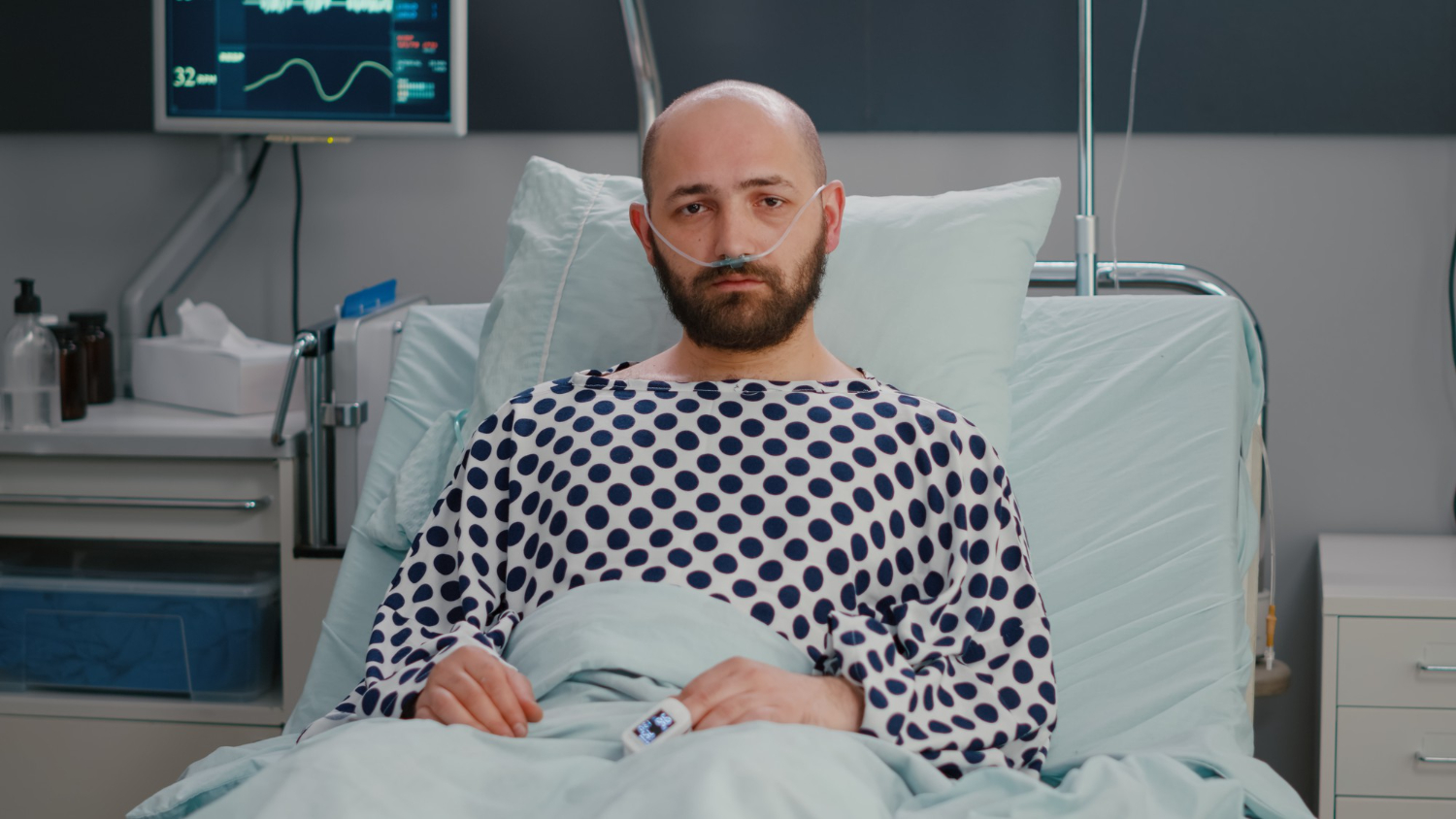
Small cell lung cancer (SCLC) is a type of lung cancer that is known for its aggressive behavior and poor prognosis. According to the American Canc...